What it is
Habitat loss is the conversion of the places wildlife live: prairie plowed for crops, sagebrush cleared for subdivisions, forest cut for roads and development. Fragmentation is what’s left behind when the pieces no longer connect.
The Colorado Natural Heritage Program’s 2011 report The State of Colorado’s Biodiversity called shortgrass prairie “by far the most altered of any of Colorado’s major ecological systems,” with nearly half converted in the past century. Its Table 4 shows shortgrass prairie down 48% and sagebrush down 12% from their historic extent. Those figures date from 2011.
The loss continues across the Great Plains. WWF’s Plowprint report found 1.9 million acres of grassland converted to cropland across the U.S. and Canadian Great Plains in 2022.
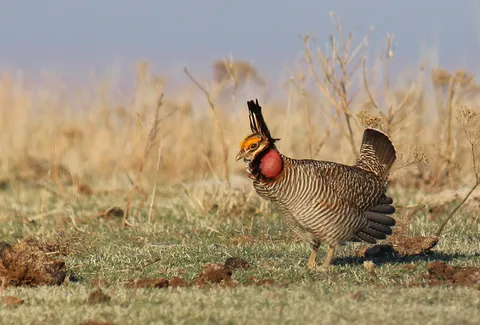
Fragmentation matters on its own. The 2022 lesser prairie-chicken listing rule said “The primary threat impacting both DPSs is the ongoing loss of large, connected blocks of grassland and shrubland habitat.” The Preble’s meadow jumping mouse recovery plan says “Fragmentation is another impact of development.”
In Colorado
Colorado had 5.9 million people in 2023 and is projected to reach 7.4 million by 2050. About 1.4 million of the roughly 1.5 million people added, or 90%, are expected along the Front Range.
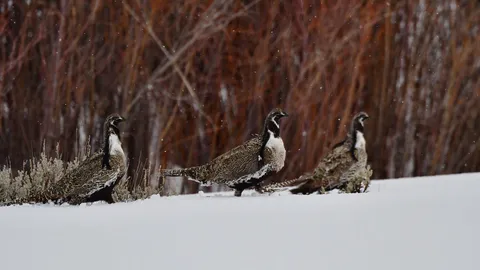
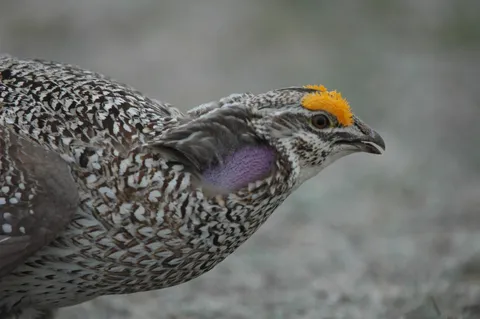
On the plains, the plains sharp-tailed grouse is now “found almost exclusively in Conservation Reserve Program (CRP) grasslands in Colorado,” according to CPW. Colorado had 218,145 acres accepted in the 2024 Grassland CRP signup.
In the sagebrush country of the Gunnison Basin, the Gunnison sage-grouse occupies about 10% of its historical range, according to its 2019 draft recovery plan.
Effects on wildlife
Grouse
The Gunnison sage-grouse was listed as threatened in a rule published November 20, 2014. About 4,500 birds remained then, roughly 84% of them in the Gunnison Basin, and about 1.43 million acres of critical habitat were designated. The 2019 draft recovery plan cites “habitat loss associated with the conversion of sagebrush habitats to agriculture and residential and commercial development.” For the lesser prairie-chicken, the 2022 listing rule named the loss of large, connected blocks of habitat as the primary threat; that federal listing was later vacated and removed. The plains sharp-tailed grouse now survives almost exclusively in CRP grasslands.
Mammals
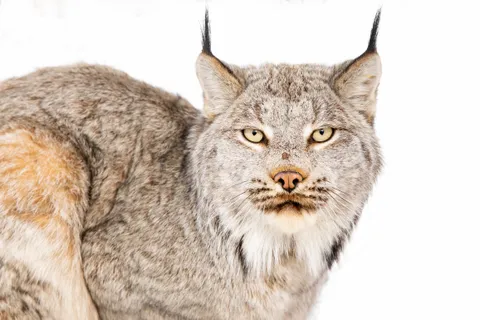
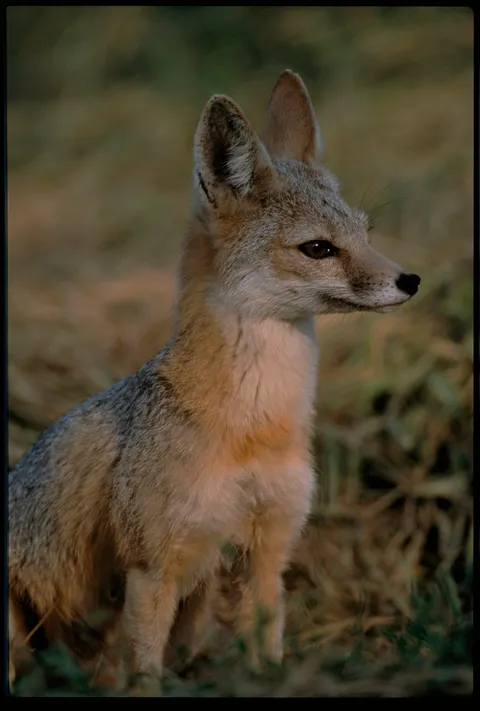
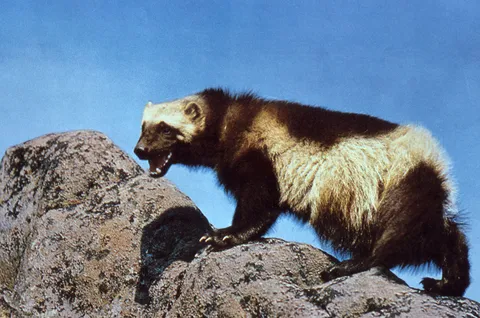
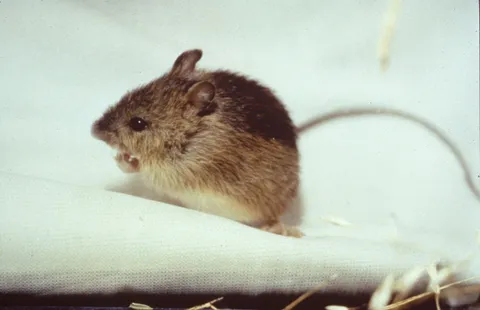
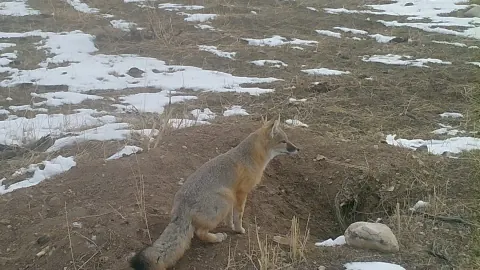
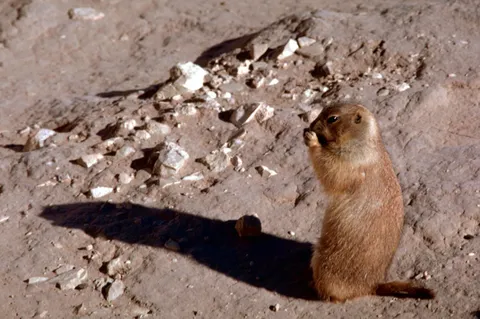
For Preble’s meadow jumping mouse, “The decline in the extent and quality of Preble’s mouse habitat is considered the main factor threatening the subspecies,” tied to “urbanization of the east slope of the Rocky Mountain Front Range.” For the kit fox, “Conversion of the kit foxes’ native grounds to agriculture and development usage has resulted in a loss of habitat.” The swift fox declined because of “human settlement, land-use conversion of prairies, predator control campaigns, unregulated trapping, hunting and rodent control programs.” The black-tailed prairie dog range declined due to “intensive control programs, conversion of habitat to agriculture, disease (sylvatic plague), unregulated recreational shooting, and urbanization.” The Canada lynx loses habitat permanently to “residential and commercial developments, highways, and silvicultural treatments that permanently convert boreal or subalpine forest.” The 2023 listing rule for the wolverine cites climate change and “associated habitat degradation and fragmentation,” plus roads, development and winter recreation.
Riparian birds
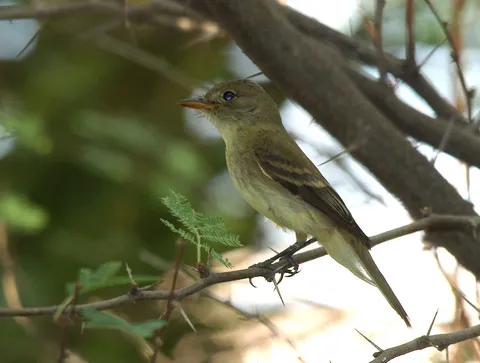
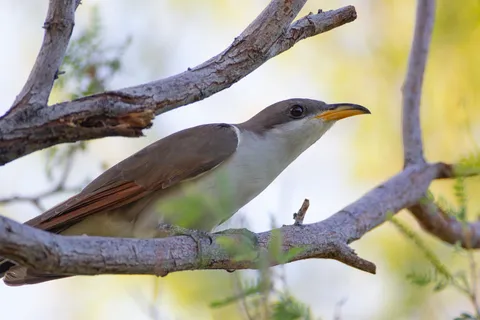
The southwestern willow flycatcher loses habitat through “reduction or elimination of surface and subsurface water due to diversion and groundwater pumping.” For the western yellow-billed cuckoo, “Loss and degradation of habitat has also occurred as a result of livestock overgrazing and encroachment from agriculture.”
Grassland birds
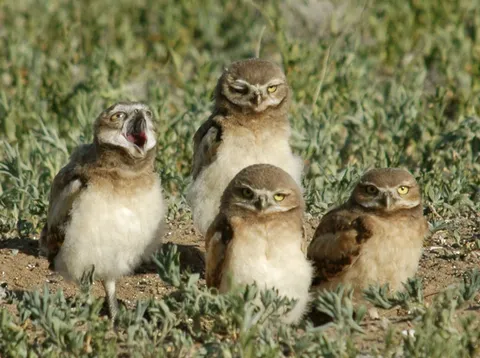
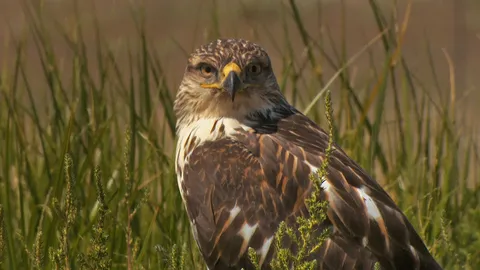
BLM Colorado’s 2023 sensitive species list cites habitat loss and fragmentation from energy development and other uses for the burrowing owl and ferruginous hawk.
Butterflies
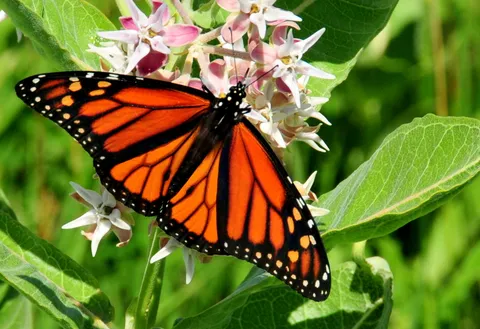
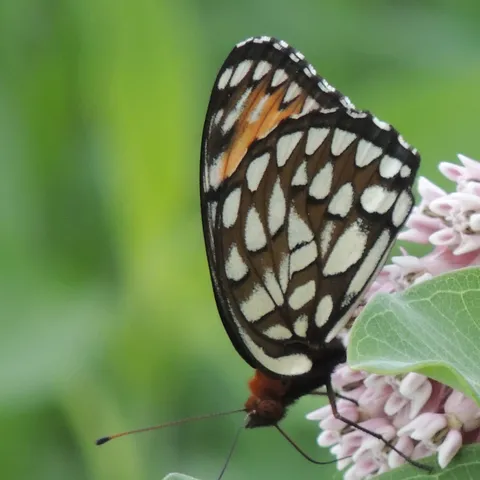
The December 2024 proposed rule for the monarch names “past conversion of grasslands and shrublands to agriculture and widespread use of herbicides.” For the regal fritillary, “Habitat loss from agriculture, urbanization and altered pasture is a key threat.”
What’s being done
Conservation easements
Easements protect “almost 4 million acres, or nearly 6% of the land mass of the state,” across 7,593 parcels, the Colorado Sun reported in March 2025.
The Conservation Reserve Program pays landowners to keep cropland in grass. Colorado had 218,145 acres accepted in the 2024 Grassland CRP signup.
Statewide planning
Colorado’s 2025 State Wildlife Action Plan was approved by USFWS in January 2026.
Sagebrush work
The Gunnison sage-grouse recovery plan and local working groups guide habitat work in the Gunnison Basin.
How you can help
- Support local land trusts and conservation easements.
- Plant native grasses and flowers.
- Comment on county land-use plans.
- Stay on designated routes in sensitive habitat.