What it is
In CPW’s words, “On average there are 3,300 wildlife hits reported each year to the Colorado Department of Transportation.” More happen during winter migration and between dusk and dawn. High-risk roads include I-70, US 285, highways 160, 550, 82, 36 and 93, and I-25 between Castle Rock and Larkspur.
Collisions cost Colorado about $80 million a year in property damage, emergency response and medical costs, according to the Center for Large Landscape Conservation.
In Colorado
- 2015–2016: Two overpasses, five underpasses and 10.3 miles of fencing were completed on State Highway 9 between Kremmling and Green Mountain Reservoir.
- 2018: The Colorado Wildlife and Transportation Alliance was founded, bringing together CDOT, CPW, federal agencies, tribes, universities and nonprofits.
- 2022: SB22-151 created a $5 million Colorado Wildlife Safe Passages Fund, and seven projects were funded that December.
- December 2025: CDOT completed the I-25 Greenland wildlife overpass, 200 feet wide and 209 feet long.
- December 2026: Substantial completion is scheduled for wildlife fencing and underpasses on I-70 West Vail Pass.
CDOT calls the Greenland overpass the largest wildlife overpass in North America and expects it to cut wildlife crashes by 90%. According to Conservation Corridor, it received a $22 million federal Wildlife Crossings Pilot Program grant.
Effects on wildlife
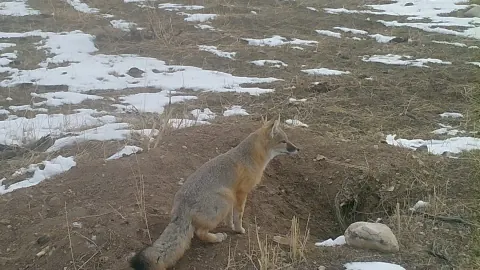
Swift fox
In CPW’s words, “A significant amount of swift fox mortality, however, may occur along roads. This may be due either to collisions with vehicles or coyote predation.”
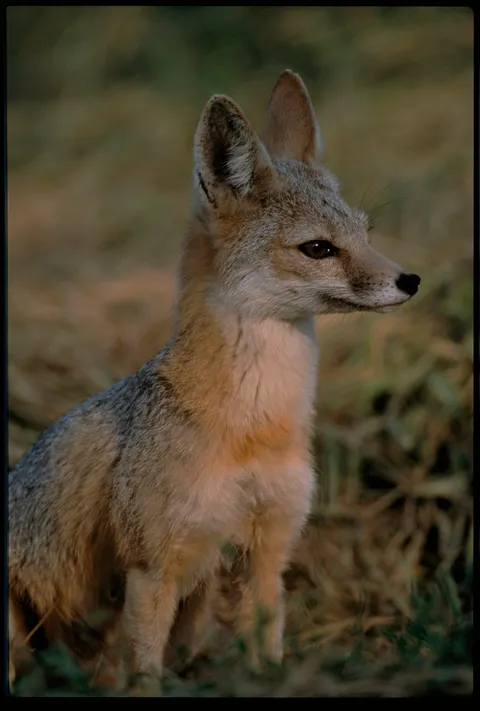
Kit fox
For the kit fox, CPW says “road-kill, trapping, shooting and predator poisoning are the main causes of mortality.”
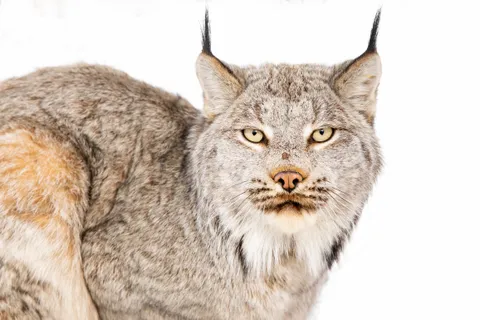
Canada lynx
According to a Colorado Virtual Library article on the reintroduction, two of the lynx released in 1999 were killed by vehicles on I-70 that first year.
Gray wolf
One of the 15 wolves released in January 2025 died on May 31, 2025 in northwest Colorado. USFWS found blunt force trauma “likely from a car crash,” and announced the finding on September 9, 2025.
What’s being done
Crossings that work
On State Highway 9, over five years of monitoring, wildlife-vehicle crashes fell 92% and carcasses fell 90%. Mule deer made 112,678 successful crossings, a 96% success rate, and 17 other species used the structures.
The Greenland overpass
The I-25 Greenland wildlife overpass, completed in December 2025, is 200 feet wide and 209 feet long. CDOT expects it to cut wildlife crashes by 90%.
Funding and partners
SB22-151 created a $5 million Colorado Wildlife Safe Passages Fund in 2022, and seven projects were funded that December. The Colorado Wildlife and Transportation Alliance, founded in 2018, brings together CDOT, CPW, federal agencies, tribes, universities and nonprofits.
Vail Pass
On I-70 West Vail Pass, CDOT is building wildlife fencing and underpasses, with substantial completion scheduled for December 2026.
How you can help
- Slow down.
- Be most alert at dusk and dawn.
- Scan roadsides for movement and eyeshine.
- Obey wildlife warning signs.
- If you see one deer or elk, expect more.