Lost & Extinct Animals of Colorado
Since the 1800s, Colorado has lost animals that once defined it. The grizzly bear is gone from the state, the yellowfin cutthroat trout and the Rocky Mountain locust are extinct everywhere, and wild bison were wiped out. Some losses have been reversed. Wolves, lynx, black-footed ferrets and river otters have been brought back.
This page covers animals lost in recorded history, not prehistoric species or dinosaurs.
At a glance
| Animal | Status | Last Colorado record | Why it disappeared |
|---|---|---|---|
| Grizzly Bear | Extirpated from Colorado | 1979 | Settlement and livestock ranching: bounties, hunters and federal trappers killed bears |
| Yellowfin Cutthroat Trout | Extinct | Surveys in 1902–03 found none | Introduced rainbow trout |
| Rocky Mountain Locust | Extinct | Swarms in the 1870s; last widely cited live specimens 1902, Manitoba | Settlers plowed, irrigated and grazed its river-valley refuges in Wyoming and Montana |
| Wild bison | Extirpated from Colorado | Wild herd killed in Lost Park, around 1897 (or 1901) | Killed by poachers |
Grizzly Bears in Colorado
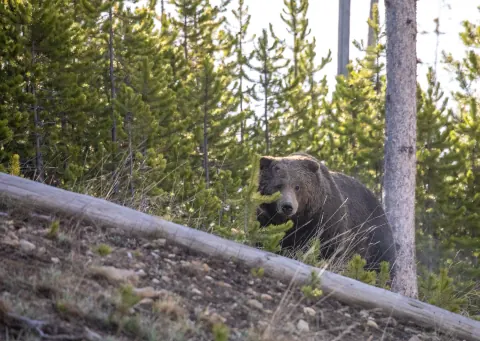
Grizzlies once occurred throughout Colorado and were fairly common in the western three-fifths of the state until about 1900, when populations began to decline rapidly. Settlement and livestock ranching drove the decline, as bounties, hunters and federal trappers killed bears. By the mid-1950s grizzlies were considered gone from Colorado.
In 1979 an outfitter killed a grizzly that mauled him in the South San Juan Wilderness, and no grizzly has been confirmed in Colorado since. The grizzly remains federally threatened in the lower 48, and there is no official plan to reintroduce it to Colorado.
The Yellowfin Cutthroat Trout
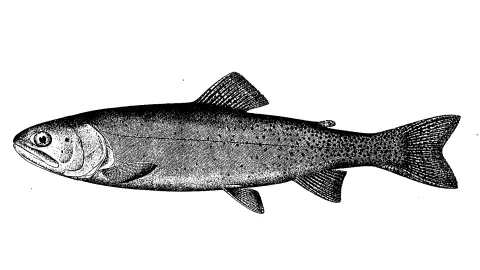
The yellowfin cutthroat trout was known only from Twin Lakes near Leadville, where it was collected in July 1889. Its original description says it reached a weight of 7 to 10 pounds, and it had bright golden-yellow lower fins.
Surveys of Twin Lakes in 1902–03 found no yellowfin, and introduced rainbow trout are the accepted cause of its disappearance. The IUCN lists it as extinct, and a CPW search of about 230 waters in the Upper Arkansas basin from 2022 to 2025 recovered no yellowfin DNA.
The Rocky Mountain Locust
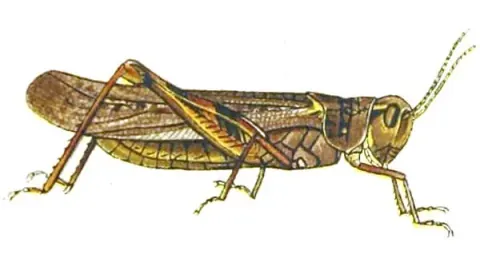
The Rocky Mountain locust bred in Colorado's high country, and in outbreak years its swarms poured onto the Great Plains. Colorado was among the territories hit by the great 1874 locust plague.
In June 1875, Albert Child of Plattsmouth, Nebraska, estimated a passing swarm at about 1,800 miles long and 110 miles wide. Entomologist Jeffrey Lockwood estimates it held about 3.5 trillion locusts.
Settlers plowed, irrigated and grazed the river valleys in Wyoming and Montana where the locust survived between outbreaks. The last widely cited live specimens were collected in 1902, and the IUCN lists the species as extinct.
Wild Bison in Colorado
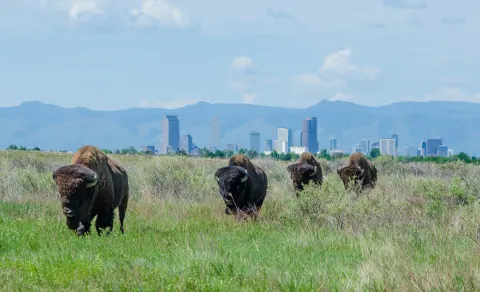
Colorado's last native wild bison were killed in South Park. The last wild herd, in Lost Park in Park County, was killed by poachers — around 1897 by most accounts, though the Cañon City Museum, which displays the mounted hides, dates the killing to 1901. By Colorado statehood in 1876, only a few hundred bison remained south of the Platte.
Bison herds live in Colorado today, but they aren't wild in the historic sense. Denver Mountain Parks started a herd in 1914 with Yellowstone bison. Rocky Mountain Arsenal National Wildlife Refuge released 16 bison on March 17, 2007, and the Laramie Foothills herd at Soapstone Prairie and Red Mountain began with 10 bison on November 1, 2015. The Nature Conservancy keeps a large herd on the Medano-Zapata Ranch in the San Luis Valley, and Great Sand Dunes National Park plans its own herd, with a target around 2030.
Under a 2025 state law (SB25-053), privately owned bison are livestock, while bison that wander into Colorado on their own are wildlife.
Lost, Then Brought Back
- Gray wolf: Wolves were eliminated from Colorado by the 1940s. CPW released ten wolves from Oregon in December 2023.
- Canada lynx: Lynx were gone from Colorado by about 1973, and 218 were reintroduced into the San Juan Mountains between 1999 and 2006.
- Black-footed ferret: The species was presumed extinct in 1979. Colorado has been a reintroduction state since 2001 and has released more than 500 ferrets.
- River otter: Otters were wiped out by the early 1900s and reintroduced from 1976 to 1991. They now have breeding populations in many parts of the state.
Planned, not yet done: Colorado plans to reintroduce the North American wolverine. CPW released a Wolverine Restoration Plan in January 2026, but no wolverines have been released yet.
Frequently asked questions
- Are there grizzly bears in Colorado?
- No. Grizzlies once occurred throughout Colorado. No grizzly was killed in the state from 1952 until 1979, when an outfitter killed one in the South San Juan Wilderness, and none has been confirmed since. There is no official plan to reintroduce grizzlies to Colorado.
- When was the last grizzly bear killed in Colorado?
- On September 23, 1979. Outfitter Ed Wiseman surprised a grizzly in its day bed near the headwaters of the Navajo River in the South San Juan Wilderness; it mauled him, and he killed it with a hand-held arrow. Before that, no grizzly had been killed in the state since 1952.
- Is the yellowfin cutthroat trout extinct?
- Yes. Surveys of Twin Lakes in 1902–03 found none, and the IUCN lists it as extinct. From 2022 to 2025, CPW searched about 230 waters in the Upper Arkansas basin and recovered no yellowfin DNA. Despite recent headlines about the search, it has not been found again.
- What happened to the Rocky Mountain locust?
- It went extinct. In June 1875, one swarm was estimated at about 1,800 miles long and 110 miles wide. Settlers plowed, irrigated and grazed the river valleys in Wyoming and Montana where it survived between outbreaks, and the last widely cited live specimens were collected in 1902.
- Are there wild bison in Colorado?
- Not in the historic sense. Colorado's last native wild bison were killed in South Park, and by statehood in 1876 only a few hundred bison remained south of the Platte. Today Colorado has conservation herds, including at Denver Mountain Parks, Rocky Mountain Arsenal National Wildlife Refuge and Soapstone Prairie.