What it is
The Eurasian H5N1 strain of highly pathogenic avian influenza was detected in Newfoundland and Labrador, Canada, in December 2021. In January 2022, the U.S. Department of Agriculture reported the first clade 2.3.4.4b H5N1 in U.S. wild birds since 2016.
How it spreads
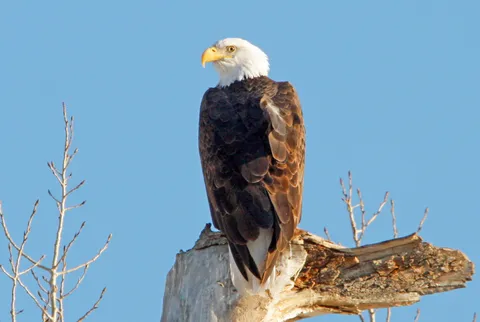
Waterfowl and shorebirds are especially vulnerable because they gather in large numbers around water. Scavengers such as eagles are exposed by eating infected birds.
In Colorado
- March 2022: Colorado’s first confirmed case in wild birds: snow and Ross’s geese collected March 17, 2022 at Jumbo Reservoir in Sedgwick County, confirmed March 24 and announced March 25.
- Late November 2022: More than 2,000 snow geese died in Morgan and Logan counties, more than 2,000 near Julesburg and Jumbo Reservoir, and more than 600 in Prowers County. Officials called it the largest outbreak in Colorado and national history.
- 2022: At least four bald eagles were confirmed dead, and successful eagle nesting dropped 15–20% that year.
- November 2023: Colorado’s first infected mammal, a skunk in Weld County.
- February 2024: The virus was confirmed in nine more mammals, the most of any state that month: mountain lions in Gunnison, Boulder and Grand counties, red foxes in Alamosa and Pueblo counties, bobcats in El Paso and Jefferson counties, and a black bear in Huerfano County.
- April 25, 2024: Colorado’s first dairy herd was confirmed.
- July 2024: Nine workers at two large egg-layer operations in northeast Colorado were infected.
- Since fall 2025: CPW has confirmed the virus in fewer than 20 birds, one black bear and one bobcat.
Effects on wildlife
Geese
The winter 2022 die-offs killed more than 2,000 snow geese in Morgan and Logan counties, more than 2,000 near Julesburg and Jumbo Reservoir, and more than 600 in Prowers County.
Eagles
At least four bald eagles were confirmed dead in 2022, and successful eagle nesting dropped 15–20% that year. CPW’s Reesa Conrey said eagles were infected by feeding on infected waterfowl.
Mammals
Colorado’s first infected mammal was a skunk in Weld County in November 2023. In February 2024 the virus was confirmed in nine more mammals: mountain lions, red foxes, bobcats and a black bear. Since fall 2025, CPW has confirmed it in fewer than 20 birds, one black bear and one bobcat.
Whooping cranes
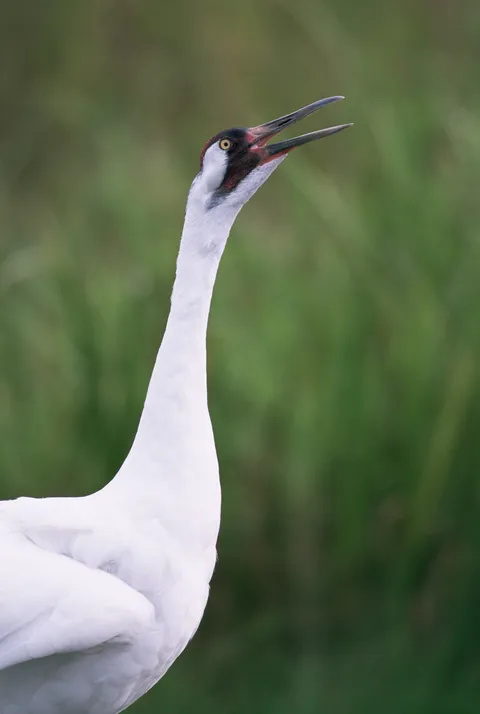
Two wild whooping cranes found dead in Saskatchewan in October 2025 tested positive for avian flu in November. About 550 whooping cranes remain in the wild. No cases in whooping cranes passing through Colorado have been reported.
Does it affect people?
It can. One human case in Colorado in 2022 was linked to poultry exposure. In July 2024, nine workers at two large egg-layer operations in northeast Colorado were infected. All had mild illness, mostly conjunctivitis (pink eye), and the virus was clade 2.3.4.4b, genotype B3.13.
How you can help
- Report to CPW when three or more birds are sick or dead in the same area.
- Don’t handle sick or dead wildlife. If you must, use disposable gloves, protective clothing, eye protection and a fitted mask, and double-bag the carcass.
- Keep pets away from dead wildlife.
- Hunters: field-dress birds in the field when possible, wear disposable gloves, double-bag feathers and offal, and cook game birds to 165 °F.