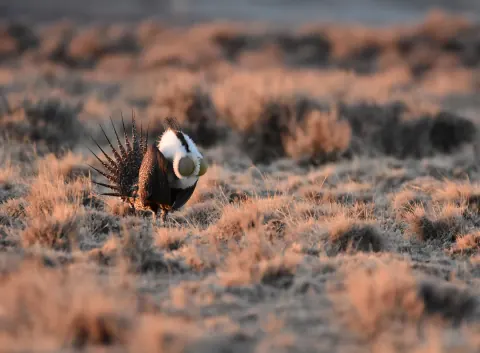
Photo: Tom Koerner / USFWS — Public Domain
Sagebrush Shrubland
West Slope, North Park, Middle Park and the upper Gunnison Basin
By Threatened Colorado , Two Colorado natives , About us
Last reviewed , Checked against CPW, NPS, CNHP sources , Sources (6)
5,000–10,000 ft
Sagebrush shrublands grow on both slopes, but the largest stands are on the western slope, with extensive stands in North Park, Middle Park and the upper Gunnison Basin. The Gunnison sage-grouse lives only in central and southwestern Colorado and southeastern Utah; at its 2014 listing, USFWS's listing rule put about 84% of the birds in the Gunnison Basin.
Why it matters
Two kinds of sagebrush. Big sagebrush shrublands, with taller sagebrush and a grassy understory, fill broad basins between mountain ranges; shorter montane sagebrush steppe grows on ridges and mountain slopes, the Colorado Natural Heritage Program says.
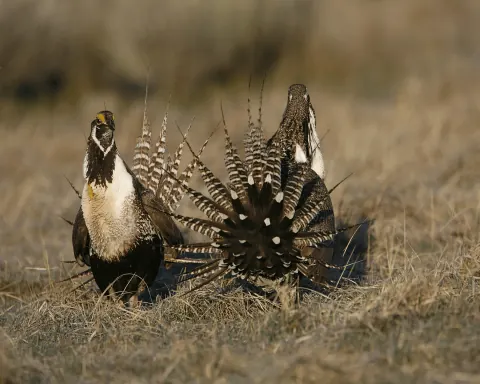
Sagebrush feeds and shelters many small mammals and birds. CNHP names the Gunnison sage-grouse, greater sage-grouse, Brewer's sparrow and sage sparrow among the Species of Greatest Conservation Need that live in it.
Plants
- sagebrush
Under pressure
- Loss and fragmentation. CNHP put sagebrush at 12% below its historic extent in 2011, and says many remaining patches "are now being fragmented by fast-paced and widespread energy development." Habitat Loss & Fragmentation
- Cheatgrass. At Curecanti National Recreation Area, the Park Service says "Cheatgrass is an especially significant threat to the health of sagebrush habitat." Invasive Plants
- Fire and grazing. "The condition of much of Colorado's sagebrush shrubland has been degraded due to fire suppression and heavy livestock grazing," according to CNHP. Wildfire & Fire Suppression
Where to see it
Waunita Watchable Wildlife Area
A small CPW site in Gunnison County for watching a Gunnison sage-grouse lek on set days in April. Arrive at least an hour before sunrise, stay in your vehicle with the engine off and keep quiet.
Curecanti National Recreation Area
Sagebrush in the Gunnison Basin, where the Park Service monitors habitat health and removes weeds. Clean seeds from shoes and gear before and after hiking, keep pets leashed and respect closures during the grouse mating season.
Black Canyon of the Gunnison National Park
Piñon-juniper woodland and sagebrush shrubland are the main vegetation above the canyon.
Species in this habitat (4)
- Photo: Gary Kramer / USFWS — Public Domain
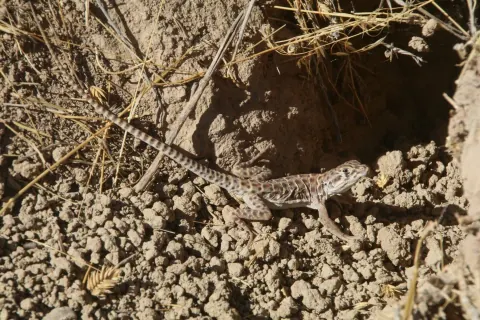
- Photo: Lon Brehmer / iNaturalist — CC BY 4.0
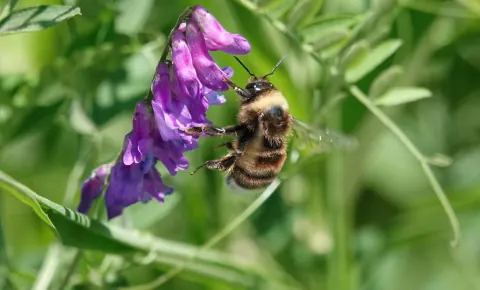
- Photo: Allison Clark / iNaturalist — CC0
Sources (6)
- Colorado Natural Heritage Program, Ecological Systems: Sagebrush Shrublands
- U.S. Fish and Wildlife Service, Threatened Status for Gunnison Sage-Grouse (Federal Register, 2014)
- Colorado Natural Heritage Program, The State of Colorado's Biodiversity (2011)
- National Park Service, Curecanti NRA: Gunnison sage-grouse
- Colorado Parks and Wildlife, Waunita Watchable Wildlife Area (lek viewing)
- National Park Service, Black Canyon of the Gunnison NP: Plants